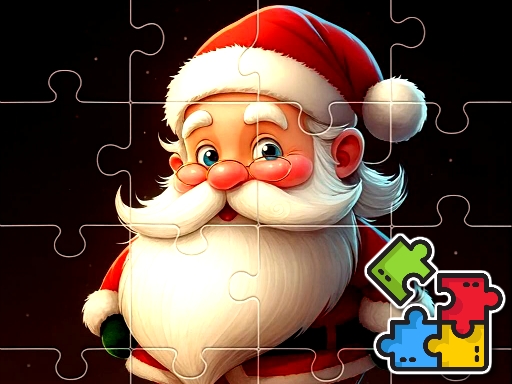
A visual method for approaching a festive jigsaw without assuming a particular piece count or timer.
Look for a distinctive feature
Christmas Puzzle With Santa is described as a jigsaw using Christmas artwork. The short listing does not specify the number of pieces, the available picture choices or a time limit. Start by inspecting the image and the pieces you can actually see. A small distinctive feature is a more useful first reference than a broad instruction to solve the entire picture.
Look for a clear change of color, part of a recognizable object or a line that seems to continue into another piece. These are possible visual clues, not promises about the artwork in every puzzle. If the interface provides a complete reference image, use it to locate that feature. If it does not, let the visible pieces define your starting point rather than inventing a layout.
Build a small connection first
Try relating a few pieces before organizing every piece at once. Ask what would have to continue across a proposed join: a colored area, a curve, a border or a small detail. A convincing relationship usually depends on more than a vague similarity. Two red areas might belong together, but their lines and neighboring colors can give you a better basis for deciding.
Traditional edge-first jigsaw advice is useful only when the actual piece design supports it. Do not assume that the game uses familiar tabs, freely movable pieces or visible outer edges. The supplied input label is Mouse/Touch; the interface must tell you whether selecting, dragging, swapping or another action is expected. Test a simple move and observe its feedback before making a rapid sequence of selections.
Use uncertainty without forcing it
Some pieces may remain ambiguous until more of the image is assembled. Put those decisions aside mentally and work on a feature you can identify more confidently. Repeatedly forcing the same uncertain match can occupy attention without adding information. A new neighboring piece may make the earlier question easier to answer, if the game allows you to choose where to work.
When an arrangement looks nearly complete, inspect the boundaries between groups rather than relying only on the overall impression. Similar colors can disguise a misplaced detail. Let the game's own feedback determine whether a move is accepted, and avoid assuming a sound or highlight means final completion unless the interface says so. This approach is meant to make visual decisions more deliberate. It does not establish that the puzzle is easy, untimed or appropriate for every player simply because the listing presents a cheerful holiday theme.